

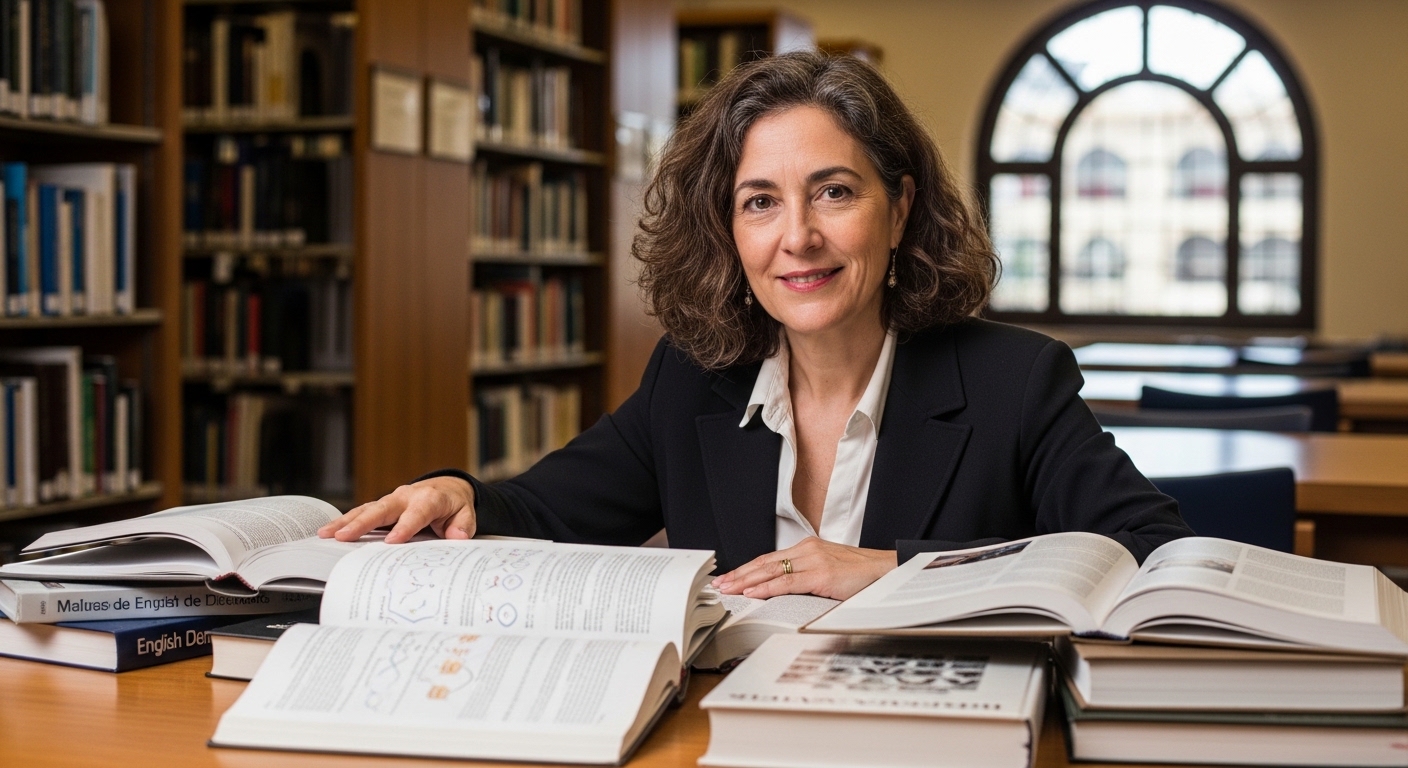
In the early days of her career, Valeria Wasserman was rarely the loudest voice in the room. While others rushed to dominate conversations, she listened, observed, and asked questions that reframed the discussion entirely. Those moments—often unnoticed by outsiders—became the foundation of a leadership style that now resonates deeply with entrepreneurs, founders, and technology professionals navigating a noisy, fast-moving world.
Today, Valeria Wasserman represents a different kind of influence. Not driven by spectacle or constant self-promotion, her impact comes from clarity of thought, ethical decision-making, and a long-term view that many modern leaders struggle to maintain. In an era obsessed with speed and visibility, her approach offers a compelling counterpoint: progress built on intention rather than impulse.
Understanding the Philosophy Behind Valeria Wasserman
To understand Valeria Wasserman’s relevance, it helps to look beyond job titles or achievements and focus on how she approaches problems. Her philosophy centers on systems thinking—the belief that decisions should be evaluated not just for immediate outcomes, but for how they affect people, organizations, and ecosystems over time. This mindset has proven especially valuable in industries shaped by rapid technological change.
Rather than treating innovation as disruption for its own sake, she emphasizes responsibility. New tools, new platforms, and new business models, in her view, must serve real human needs. This grounding principle has allowed her to bridge the often-conflicting worlds of technology and ethics, helping teams innovate without losing trust.
Valeria Wasserman’s Approach to Leadership in High-Growth Environments
Leadership in fast-scaling organizations is often reactive. Fires appear daily, and leaders are expected to extinguish them quickly. Valeria Wasserman approaches this pressure differently. She prioritizes structure and foresight, believing that many crises stem from unclear values or poorly designed systems rather than external threats.
Her leadership style favors transparency and psychological safety. Teams are encouraged to challenge assumptions and surface risks early, even when doing so is uncomfortable. Over time, this creates organizations that are more resilient and less dependent on heroic, last-minute interventions. For founders and executives, this approach offers a sustainable alternative to burnout-driven success.
The Role of Valeria Wasserman in Shaping Ethical Innovation
Ethics in technology is often discussed after problems arise. Valeria Wasserman argues that this timing is backward. By integrating ethical considerations at the design stage, companies can avoid costly missteps and reputational damage later. This proactive stance has made her voice particularly relevant as artificial intelligence, data analytics, and automation reshape entire industries.
She advocates for interdisciplinary collaboration, bringing together technologists, legal experts, and social scientists to evaluate potential impacts. This holistic process does not slow innovation, as critics sometimes claim. Instead, it produces solutions that scale more effectively because they are aligned with societal expectations from the outset.
Why Valeria Wasserman Resonates With Entrepreneurs and Founders
Entrepreneurs often face a tension between vision and viability. Valeria Wasserman’s work resonates because it acknowledges this tension without romanticizing it. She speaks candidly about trade-offs, recognizing that growth, funding, and competitive pressure can complicate even the best intentions.
What sets her apart is her insistence that values are not a luxury reserved for mature companies. From the earliest stages, she encourages founders to articulate what they stand for and what they will not compromise. This clarity, she argues, becomes a strategic asset—guiding hiring decisions, partnerships, and product direction as the company grows.
A Practical Framework Influenced by Valeria Wasserman
While her ideas are philosophical, they translate into practical action. The following table outlines a simplified framework inspired by Valeria Wasserman’s leadership principles and how they apply in real organizational settings.
| Core Principle | Practical Application | Long-Term Impact |
|---|---|---|
| Systems thinking | Evaluate decisions across teams and timelines | Reduced operational risk |
| Ethical design | Integrate responsibility into product development | Stronger public trust |
| Transparent leadership | Open communication and feedback loops | Higher team engagement |
| Value-driven growth | Align strategy with core principles | Sustainable scalability |
This framework illustrates why her influence extends beyond theory. It offers leaders a way to operationalize values without sacrificing performance.
Valeria Wasserman and the Future of Work
As remote work, automation, and global collaboration redefine professional life, Valeria Wasserman’s ideas feel increasingly prescient. She views the future of work not as a technical problem to be solved, but as a cultural shift that requires empathy and adaptability. Productivity, in her view, cannot be separated from well-being.
She challenges organizations to rethink success metrics. Instead of measuring output alone, she encourages leaders to consider learning, resilience, and social impact. This broader perspective aligns closely with the priorities of younger professionals, who increasingly seek purpose alongside financial stability.
Navigating Uncertainty Through Valeria Wasserman’s Lens
Uncertainty is no longer an exception; it is the default. Valeria Wasserman approaches uncertainty as a condition to be managed rather than eliminated. By building flexible systems and empowering teams to make informed decisions, leaders can respond more effectively to change.
This mindset is particularly valuable for tech readers and founders who operate in volatile markets. Rather than chasing predictability, her approach emphasizes preparedness—an acceptance that adaptability is the most reliable strategy available.
The Lasting Influence of Valeria Wasserman
What makes Valeria Wasserman enduringly relevant is not any single achievement, but the coherence of her worldview. Her ideas connect leadership, ethics, and innovation into a unified narrative that feels both timely and timeless. In a business culture often dominated by extremes—move fast or move carefully—she offers a third path grounded in thoughtful momentum.
As organizations grapple with increasing complexity, her influence is likely to grow. Leaders searching for depth rather than hype, and for guidance that respects both ambition and responsibility, will continue to find value in her work.
Conclusion
Valeria Wasserman reminds us that leadership does not have to be loud to be transformative. Her approach demonstrates that clarity, ethics, and long-term thinking are not constraints on success, but enablers of it. For entrepreneurs, tech professionals, and founders navigating uncertain terrain, her perspective offers something rare: a way forward that feels both principled and practical.
In a world accelerating toward the next big thing, her quiet power lies in asking a more enduring question—what kind of progress is actually worth making?