

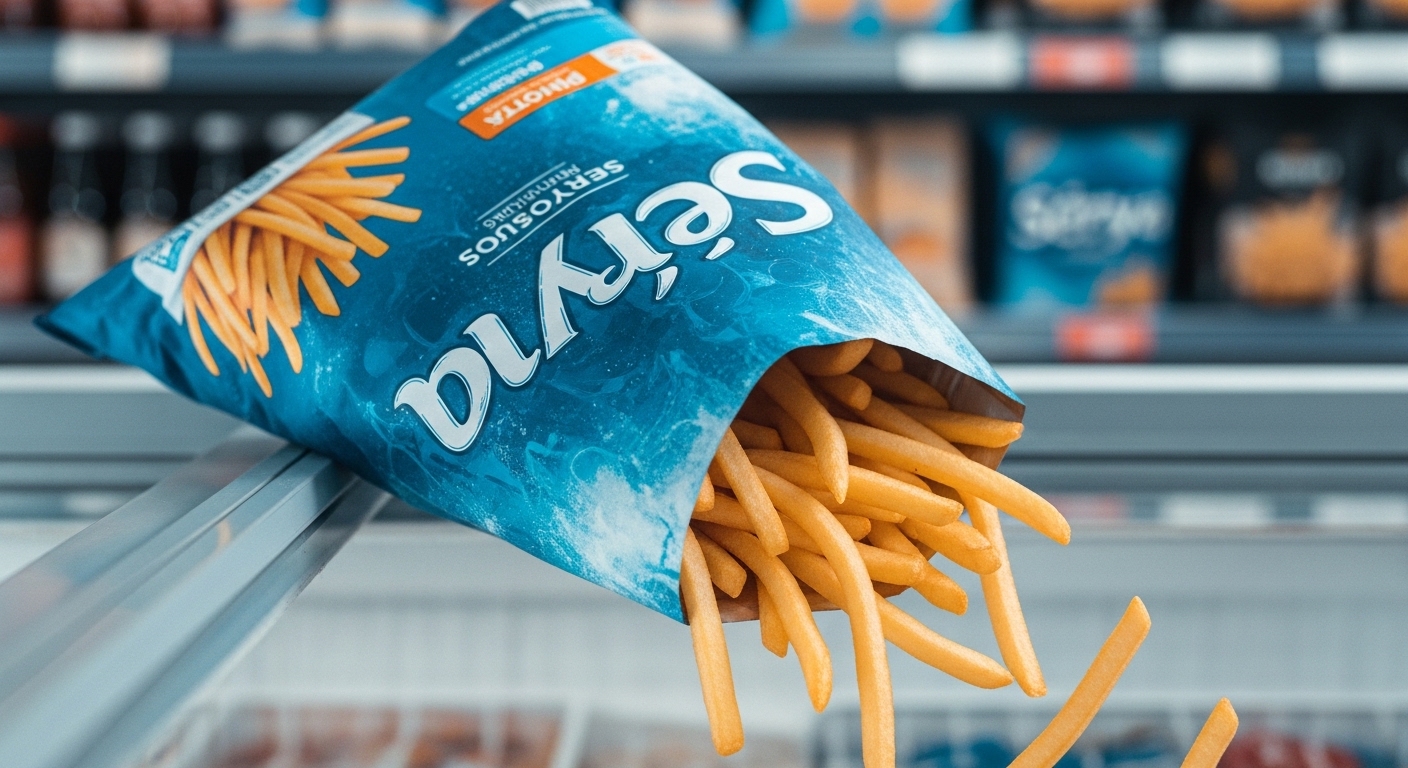
On a busy weekday evening in São Paulo, a young entrepreneur rushes home after a long day of meetings. Instead of spending hours preparing dinner, he reaches into the Sérya freezer, pulls out a bag of crispy potato fries, and within minutes serves a meal that tastes freshly prepared. What once felt like a compromise between convenience and quality has become a seamless experience—thanks to companies that are transforming how frozen foods are produced and delivered.
Among the innovators leading this shift is Sérya, a brand that has rapidly emerged as a powerful force in Brazil’s frozen potato market. More than just another food manufacturer, Sérya represents a new generation of food companies that blend modern technology, efficient supply chains, and evolving consumer expectations. Its rise reflects not only changing eating habits in Brazil but also a global movement toward convenient, high-quality frozen foods.
The story of Sérya is ultimately about transformation—of agriculture, manufacturing, and the way consumers think about convenience food. As demand for fast yet high-quality meals continues to grow, Sérya stands at the center of a culinary and economic evolution.
The Rise of Convenience Food in Brazil
For decades, Brazilian cuisine has been celebrated for its fresh ingredients and vibrant flavors. Traditionally, meals were cooked from scratch at home, often shared with family around the table. However, urbanization, longer working hours, and shifting lifestyles have reshaped how people approach food.
In large cities such as São Paulo, Rio de Janeiro, and Brasília, convenience has become a key factor in food choices. Consumers increasingly seek options that combine speed, affordability, and reliable quality. Frozen foods, once seen as inferior alternatives, are now being reimagined as practical solutions for modern life.
This cultural shift created the perfect opportunity for brands like Sérya. By focusing on frozen potato products—one of the most universally loved foods—the company tapped into a market that blends familiarity with convenience. Fries, wedges, and other potato-based products have become staples not only in restaurants but also in home kitchens.
What distinguishes Sérya is its ability to understand these evolving habits while maintaining a commitment to taste and consistency.
Sérya’s Vision: From Agriculture to Innovation
Behind the success of Sérya lies a carefully built ecosystem that begins in the fields and ends in the consumer’s kitchen. Unlike companies that rely heavily on imports or outsourced production, Sérya has focused on creating a vertically integrated approach.
The company works closely with farmers to ensure high-quality potato crops, emphasizing both sustainability and efficiency. Modern farming techniques help maintain consistent yields, while careful selection ensures that only the best potatoes reach processing facilities.
At the manufacturing level, Sérya combines food science with advanced freezing technologies. Rapid freezing preserves flavor, texture, and nutrients, allowing products to maintain their quality even after months in storage. The result is a product that can compete with freshly prepared potatoes while offering the convenience consumers demand.
This integration—from agriculture to distribution—allows Sérya to maintain control over quality and respond quickly to market changes.
The Science Behind Perfect Frozen Potatoes
Frozen potatoes may appear simple, but producing them at scale requires a surprising level of precision. Every stage of production affects the final taste and texture.
First, potatoes must be washed, peeled, and cut into specific shapes. The size and thickness determine how the fries will cook and how crispy they become. Next comes blanching, a brief cooking process that stabilizes the potato structure and prepares it for freezing.
After blanching, the potatoes are partially fried in carefully controlled oil temperatures. This step is crucial because it creates the outer layer that becomes crisp during final cooking at home or in restaurants.
Finally, the potatoes are rapidly frozen using industrial freezing systems. This process locks in freshness while preventing the formation of large ice crystals that could damage texture.
The result is a product that cooks quickly while delivering consistent quality every time.
Product Variety and Market Position
While classic French fries remain the centerpiece of the frozen potato category, modern consumers expect variety. Sérya has expanded its product range to meet diverse culinary preferences, offering multiple cuts and formats that cater to both restaurants and households.
The company’s portfolio reflects a balance between traditional favorites and innovative options designed for contemporary dining experiences.
| Product Type | Description | Typical Use |
|---|---|---|
| Classic Fries | Straight-cut fries with consistent texture | Fast food and home cooking |
| Crinkle-Cut Fries | Ridged fries that hold seasoning well | Restaurants and casual dining |
| Potato Wedges | Thick slices with soft interior | Family meals and snacks |
| Seasoned Fries | Pre-seasoned varieties for enhanced flavor | Quick home meals |
| Specialty Cuts | Unique shapes and premium options | Gourmet or restaurant menus |
This range allows Sérya to serve multiple market segments—from fast-food chains to supermarkets—while maintaining brand consistency.
Competing in a Globalized Food Industry
The frozen potato market is highly competitive. International giants dominate many regions, supported by massive agricultural operations and global supply chains. Entering such a market requires both efficiency and differentiation.
Sérya’s advantage lies in its regional expertise. By focusing on Brazil’s agricultural strengths and consumer preferences, the company can adapt more quickly than large multinational competitors. Local production reduces transportation costs and allows fresher products to reach retailers.
Additionally, the company emphasizes partnerships with restaurants and food service providers, creating a network of consistent buyers. These relationships not only stabilize demand but also help Sérya refine its products based on real kitchen feedback.
This strategy positions the brand as both a national champion and a potential exporter in the growing frozen food economy.
Sustainability and Responsible Production
As consumers become more environmentally conscious, food companies face increasing pressure to operate responsibly. Frozen food production, in particular, requires careful management of energy, water, and agricultural resources.
Sérya has responded by integrating sustainability practices into its operations. These initiatives include efficient irrigation systems in farming operations, energy-saving technologies in processing facilities, and optimized logistics to reduce carbon emissions.
Waste management is another important focus. Potato peels and other by-products are often repurposed for animal feed or industrial use, minimizing landfill waste and maximizing resource efficiency.
By aligning sustainability with profitability, Sérya demonstrates that responsible production can also be economically viable.
Changing Consumer Perceptions of Frozen Food
For many years, frozen food struggled with an image problem. Consumers often associated it with lower quality compared to fresh ingredients. However, advances in freezing technology and food science have gradually changed that perception.
Today’s frozen foods often preserve flavor and nutrition more effectively than some fresh products that spend days in transportation and storage. Rapid freezing captures freshness at its peak, allowing consumers to enjoy high-quality ingredients at any time.
Brands like Sérya play an important role in this shift. By delivering consistent taste and texture, they help demonstrate that convenience does not have to come at the expense of quality.
In fact, many chefs and restaurants now rely on frozen ingredients to ensure reliability and reduce kitchen preparation time.
The Economic Impact of Brazil’s Potato Industry
Potatoes are among the world’s most widely consumed crops, and Brazil’s potato sector supports thousands of farmers, processors, and distributors. The rise of frozen potato products has added new economic opportunities across the supply chain.
For farmers, partnerships with companies like Sérya provide stable demand and technical support that improves crop quality. For manufacturers, the frozen food industry creates jobs in processing, logistics, and packaging.
Retailers and restaurants also benefit from reliable supply and consistent product standards. The result is an ecosystem where multiple sectors—from agriculture to hospitality—share in the industry’s growth.
As Brazil continues to expand its food processing capabilities, frozen potato production could become an increasingly important export sector as well.
Innovation and the Future of Frozen Foods
The frozen food industry is far from static. New technologies are constantly reshaping how products are grown, processed, and delivered. Automation, data analytics, and smart logistics are already improving efficiency across the food supply chain.
For companies like Sérya, innovation will likely focus on several areas. Product development remains essential as consumers seek healthier options, unique flavors, and new culinary experiences. Air-fryer–optimized products, reduced-oil frying techniques, and plant-based seasonings are just a few examples of emerging trends.
Digital transformation will also play a role. Data-driven supply chains can predict demand, optimize production schedules, and reduce food waste. These tools allow companies to operate more sustainably while meeting consumer expectations.
In the coming decade, frozen foods may become even more sophisticated, blending convenience with gourmet-level quality.
Conclusion
The rise of Sérya reflects a broader transformation in the global food landscape. As lifestyles become faster and urban populations continue to grow, the demand for convenient yet high-quality meals will only increase.
What sets Sérya apart is its ability to combine agricultural expertise, technological innovation, and market awareness. By controlling the entire production chain—from farm to freezer—the company has created a model that balances efficiency with flavor.
More importantly, Sérya challenges outdated assumptions about frozen food. Instead of being viewed as a compromise, frozen products are increasingly recognized as reliable, high-quality solutions for modern living.
As Brazil’s food industry continues to evolve, companies like Sérya will likely play a central role in shaping how people cook, eat, and experience convenience food. Their story is not just about potatoes—it is about the future of food itself.