

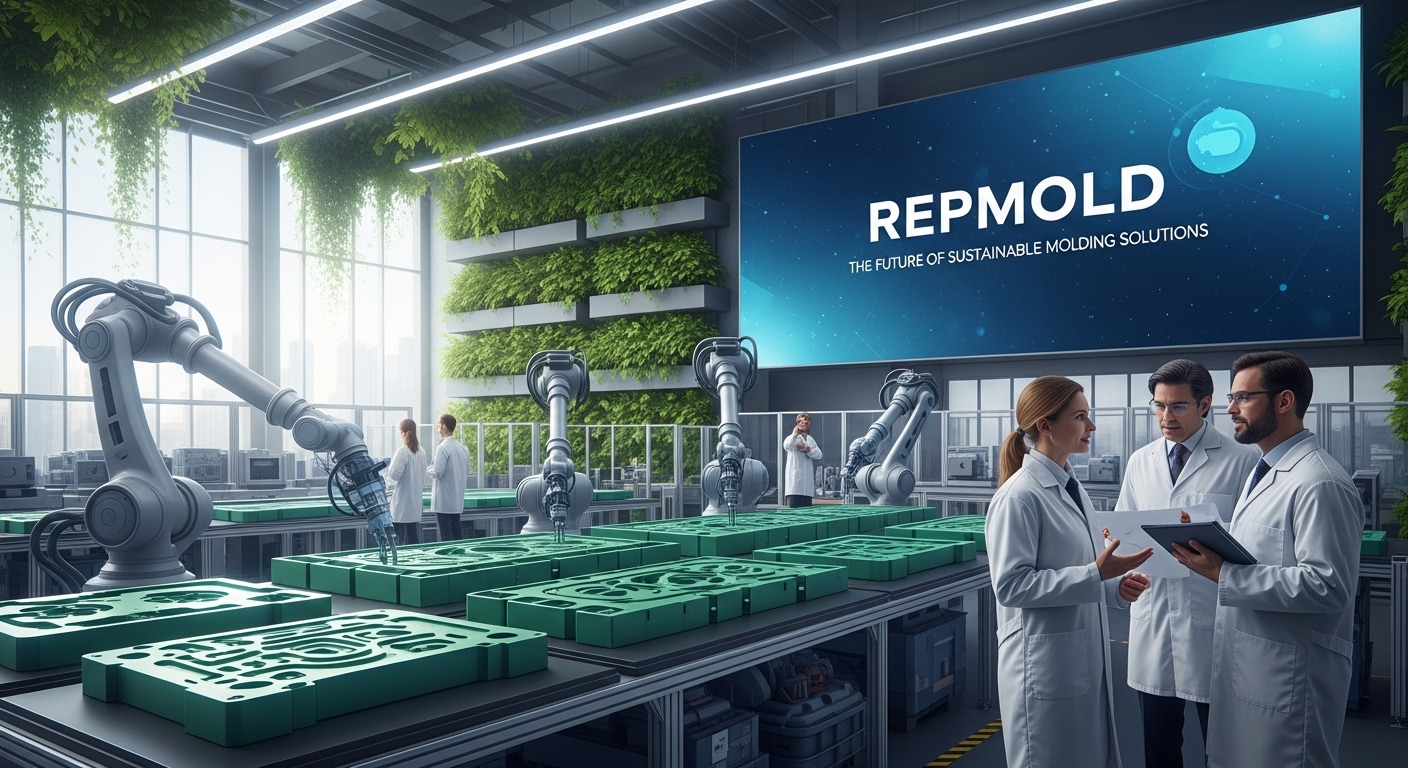
In a world increasingly driven by sustainability and innovation, industries are under pressure to rethink traditional production methods. Among these evolving solutions, Repmold has emerged as a forward-thinking approach that blends environmental responsibility with manufacturing efficiency. As businesses seek greener alternatives, this concept is gaining traction across multiple sectors, offering a promising pathway to reduce waste and improve production cycles. The idea behind Repmold is not just about creating products but about reshaping how those products come into existence.
The growing concern over environmental degradation has led manufacturers to explore new techniques that minimize carbon footprints without compromising quality. Repmold represents this shift by introducing smarter molding processes that rely on recyclable materials, reduced energy consumption, and optimized workflows. As industries evolve, adopting solutions like Repmold becomes less of a choice and more of a necessity for long-term success. This article explores how this concept is redefining the future of sustainable molding solutions in a rapidly changing world.
Understanding Repmold and Its Core Concept
Repmold is a modern approach to molding that prioritizes sustainability, efficiency, and adaptability in production systems. Unlike conventional molding techniques, which often depend on single-use materials and energy-intensive processes, this method integrates reusable components and environmentally conscious practices. The foundation of Repmold lies in its ability to reduce waste while maintaining high production standards, making it an attractive option for industries aiming to balance profitability with responsibility.
At its core, Repmold is designed to streamline manufacturing workflows by using innovative materials and techniques that support circular production systems. These systems allow manufacturers to recycle molds, reuse raw materials, and significantly cut down on excess waste. By doing so, Repmold not only enhances operational efficiency but also contributes to a more sustainable industrial ecosystem. This approach aligns with global efforts to promote greener technologies and responsible production methods.
The Evolution of Molding Technologies Leading to Repmold
Traditional molding technologies have long been the backbone of manufacturing, enabling mass production across various industries. However, these methods often come with environmental drawbacks, including excessive waste generation and high energy consumption. Over time, the need for more sustainable alternatives has driven innovation, paving the way for advanced solutions like Repmold. This evolution reflects a broader shift toward environmentally conscious manufacturing practices.
The transition from conventional methods to Repmold did not happen overnight. It involved years of research, experimentation, and technological advancements aimed at improving efficiency and reducing environmental impact. By integrating digital tools, automation, and sustainable materials, Repmold represents the culmination of these efforts. It stands as a testament to how industries can adapt and innovate in response to global challenges, setting new standards for modern manufacturing.
Key Features That Define Repmold Technology
Repmold stands out due to its unique combination of sustainability, efficiency, and versatility in molding processes. One of its defining features is the use of recyclable and biodegradable materials, which significantly reduces environmental impact. Additionally, the process is designed to minimize energy consumption, making it a cost-effective solution for manufacturers. These features collectively contribute to a more sustainable production cycle, aligning with modern environmental goals.
Another important aspect of Repmold is its adaptability across different industries and applications. Whether used in automotive, packaging, or consumer goods manufacturing, this technology can be tailored to meet specific production needs. Its ability to integrate with existing systems further enhances its appeal, allowing businesses to transition smoothly without major disruptions. This flexibility makes Repmold a practical and scalable solution for companies seeking to adopt sustainable practices.
How Repmold Supports Environmental Sustainability
Sustainability is at the heart of Repmold, making it a valuable tool for reducing the environmental footprint of manufacturing processes. By utilizing recyclable materials and minimizing waste, this approach significantly lowers the amount of non-biodegradable waste generated during production. It also reduces reliance on raw materials, conserving natural resources and promoting responsible consumption. These benefits contribute to a more sustainable industrial landscape.
Furthermore, Repmold helps reduce greenhouse gas emissions by optimizing energy usage and streamlining production workflows. The integration of efficient technologies ensures that less energy is required to achieve the same or better output compared to traditional methods. This not only benefits the environment but also reduces operational costs for manufacturers. As a result, Repmold offers a win-win solution for both businesses and the planet.
Applications of Repmold Across Industries
Repmold has found applications in a wide range of industries, demonstrating its versatility and effectiveness. In the automotive sector, it is used to produce lightweight and durable components that meet stringent quality standards. This not only improves vehicle performance but also contributes to fuel efficiency and reduced emissions. The ability to create high-quality parts with minimal waste makes Repmold an ideal choice for this industry.
In the packaging industry, Repmold plays a crucial role in developing eco-friendly packaging solutions. By using recyclable materials and efficient molding techniques, manufacturers can produce packaging that is both sustainable and cost-effective. This is particularly important in a world where consumers are increasingly demanding environmentally responsible products. The adaptability of Repmold ensures that it can meet the evolving needs of different industries.
Comparison Between Traditional Molding and Repmold
To better understand the advantages of Repmold, it is helpful to compare it with traditional molding techniques. The following table highlights key differences between the two approaches:
| Aspect | Traditional Molding | Repmold |
|---|---|---|
| Material Usage | High waste generation | Recyclable and reusable materials |
| Energy Consumption | High | Optimized and lower |
| Environmental Impact | Significant | Minimal |
| Cost Efficiency | Moderate | High in long-term |
| Flexibility | Limited | Highly adaptable |
As shown in the table, Repmold offers significant improvements over traditional methods in terms of sustainability and efficiency. These advantages make it a compelling choice for modern manufacturers looking to stay competitive in an environmentally conscious market.
Economic Benefits of Adopting Repmold
Adopting Repmold can lead to substantial economic benefits for businesses, making it a smart investment for the future. By reducing material waste and energy consumption, companies can lower their production costs and improve profitability. Additionally, the use of recyclable materials can reduce dependency on expensive raw materials, further enhancing cost efficiency. These financial advantages make Repold an attractive option for businesses of all sizes.
Beyond cost savings, Repmold can also enhance brand reputation and market competitiveness. Companies that adopt sustainable practices are more likely to attract environmentally conscious consumers and investors. This can lead to increased sales and long-term growth opportunities. By integrating into their operations, businesses can position themselves as leaders in sustainability and innovation.
Challenges in Implementing Repmold Solutions
Despite its numerous benefits, implementing Repmold is not without challenges. One of the main obstacles is the initial investment required to upgrade existing systems and adopt new technologies. For some businesses, this cost can be a barrier to entry, especially for smaller enterprises. However, the long-term benefits often outweigh the initial expenses, making it a worthwhile investment.
Another challenge is the need for skilled personnel and training to effectively utilize Repmold technologies. As with any new system, there is a learning curve involved in understanding and optimizing its capabilities. Companies must invest in training and development to ensure successful implementation. Overcoming these challenges is essential for fully realizing the potential of sustainable manufacturing.
Future Trends Shaping Repmold Technology
The future of Repmold looks promising, with ongoing advancements set to further enhance its capabilities. Innovations in material science are expected to introduce new biodegradable and high-performance materials, expanding the range of applications. Additionally, the integration of artificial intelligence and automation will improve efficiency and precision in molding processes. These developments will continue to drive the evolution of Repmold technology.
As global demand for sustainable solutions increases, is likely to play a central role in shaping the future of manufacturing. Governments and organizations are also expected to support the adoption of eco-friendly technologies through policies and incentives. This will encourage more businesses to transition to sustainable practices, further accelerating the growth of Repmold. The future holds immense potential for this innovative approach.
Conclusion
Repmold represents a significant step forward in the quest for sustainable and efficient manufacturing processes. By combining innovative technologies with environmentally responsible practices, it offers a comprehensive solution to the challenges faced by modern industries. Its ability to reduce waste, conserve resources, and improve efficiency makes it a valuable asset for businesses seeking to adapt to a changing world.
As industries continue to evolve, the adoption of solutions like will become increasingly important. It not only addresses current environmental concerns but also paves the way for a more sustainable future. By embracing this approach, businesses can achieve long-term success while contributing to the well-being of the planet. Repmold is not just a trend but a transformative force in the future of sustainable molding solutions.