

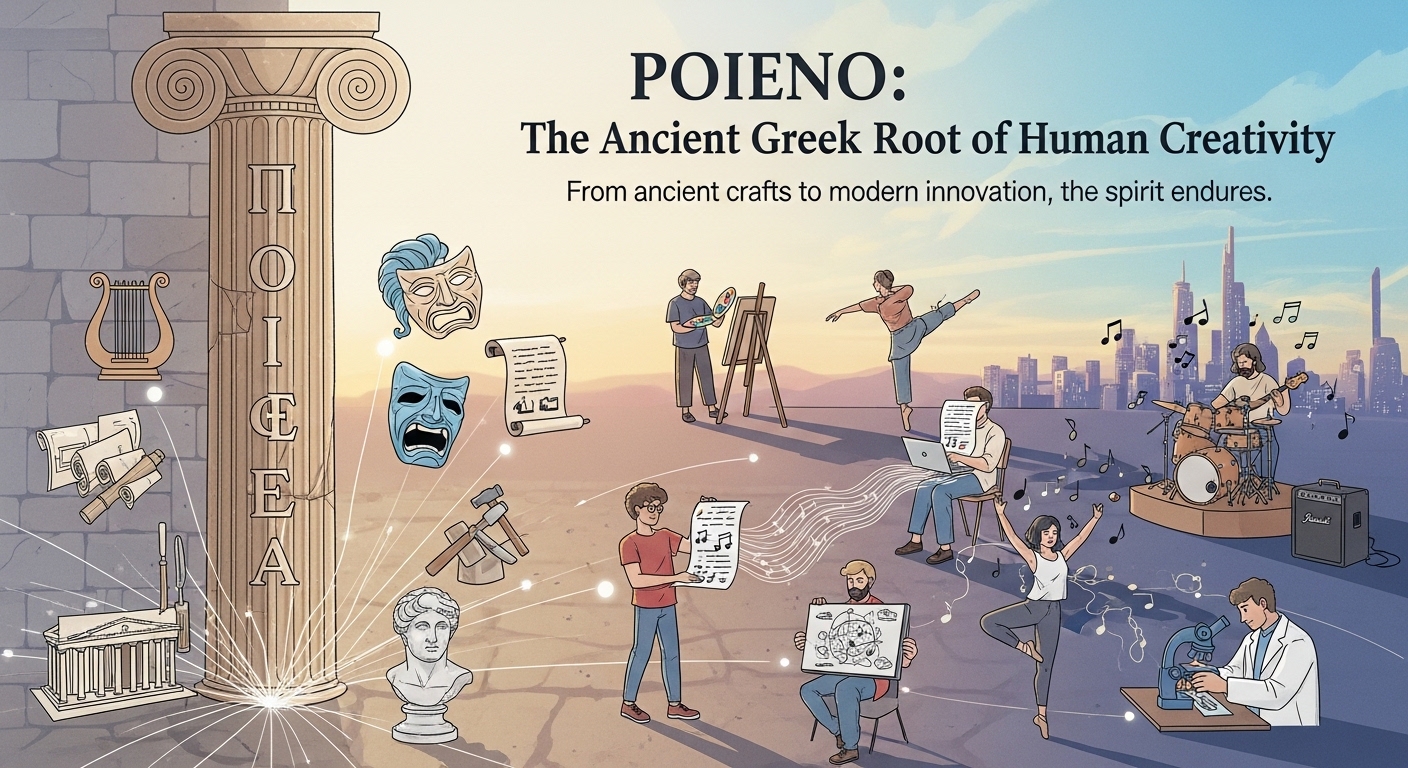
Every innovation begins with a question. For many entrepreneurs and technology enthusiasts, that question often revolves around how to build something Poieno meaningful in a world that changes almost daily. A founder sitting in a small office, a developer experimenting with new frameworks, or a startup team searching for the next big opportunity—these scenarios represent the constant evolution of modern business thinking.
In this environment, the concept of poieno has begun to attract attention. While the term may sound unfamiliar at first, its underlying idea reflects a powerful shift in how people approach creativity, productivity, and innovation. Rather than focusing solely on results, poieno emphasizes the process of creation, learning, and strategic growth.
For entrepreneurs and tech readers, this concept carries real-world value. It highlights the importance of building systems that encourage experimentation, adaptability, and long-term thinking. In a marketplace driven by rapid technological change, the mindset behind poieno can help founders design better products, stronger teams, and more resilient businesses.
Understanding poieno is not about memorizing a definition; it is about recognizing a philosophy that encourages thoughtful creation. When applied correctly, it can transform how individuals and organizations approach problem-solving, innovation, and leadership.
Understanding the Meaning and Philosophy of Poieno
At its core, poieno represents the act of intentional creation. The word reflects a deeper philosophy that connects creativity with purpose. In many professional environments, people focus heavily on productivity metrics, growth charts, and quarterly goals. While these elements are important, they often overlook the human process behind innovation.
Poieno encourages individuals to view creation as a continuous journey. Entrepreneurs frequently face moments where ideas fail, markets shift, or strategies need to be rebuilt from scratch. Instead of seeing these moments as setbacks, the philosophy behind poieno treats them as essential steps toward meaningful progress.
For founders and tech professionals, this perspective matters. Many of the world’s most influential companies were built through experimentation and adaptation rather than rigid planning. When teams embrace the mindset of poieno, they prioritize curiosity, iteration, and thoughtful execution.
This philosophy also encourages deeper engagement with ideas. Rather than rushing to launch products or chase trends, organizations take time to understand the problem they are solving. As a result, solutions become more sustainable and aligned with real user needs.
In many ways, poieno represents a balance between creativity and strategy. It invites innovators to think deeply while still moving forward with practical action.
The Role of Poieno in Modern Technology and Innovation
Technology industries thrive on rapid transformation. New tools, platforms, and digital ecosystems appear every year, forcing companies to rethink how they operate. Within this constantly shifting environment, the principles associated with poieno offer a valuable framework for innovation.
Software developers, for example, often work through cycles of building, testing, and refining. This iterative approach mirrors the philosophy behind poieno, where creation is viewed as an evolving process rather than a single moment of success. Instead of expecting perfection from the start, teams allow their ideas to grow through experimentation.
Startups also benefit from this mindset. Founders frequently operate with limited resources, uncertain markets, and intense competition. By adopting the perspective of poieno, they can remain flexible and creative while navigating these challenges.
In the broader technology landscape, innovation rarely happens in isolation. Collaboration between designers, engineers, and business strategists becomes essential. The concept of poieno supports this collaborative spirit by encouraging open exploration of ideas.
Technology leaders who understand this approach often create cultures where employees feel comfortable proposing unconventional solutions. Over time, this environment can lead to breakthroughs that redefine industries.
Why Entrepreneurs and Founders Are Drawn to Poieno
Entrepreneurs are naturally drawn to ideas that challenge traditional thinking. Many founders begin their journey with a simple desire to build something better than what already exists. The philosophy behind poieno aligns closely with this entrepreneurial mindset.
Starting a company is rarely a linear process. Business plans evolve, products pivot, and market strategies shift as new information emerges. In this unpredictable landscape, poieno encourages founders to focus on learning rather than fearing failure.
This mindset also helps entrepreneurs maintain resilience. When setbacks occur, they are viewed not as endpoints but as valuable lessons that guide future decisions. Over time, this perspective strengthens leadership and strategic thinking.
Another reason founders connect with poieno is its emphasis on authenticity. Many successful businesses are built around genuine ideas and values rather than purely profit-driven motives. The philosophy encourages creators to build with intention, ensuring their work contributes something meaningful to the market.
For startup teams, this can lead to stronger company cultures where creativity and purpose coexist.
Key Principles That Define Poieno in Practice
Although the concept of poieno is philosophical, its practical application can be observed in many modern organizations. Several principles consistently appear when this mindset is applied successfully.
| Principle | Description | Business Impact |
|---|---|---|
| Intentional Creation | Building products and strategies with clear purpose | Leads to meaningful innovation |
| Iterative Learning | Improving ideas through testing and feedback | Encourages adaptability |
| Collaborative Thinking | Integrating diverse perspectives in problem solving | Strengthens team creativity |
| Long-Term Vision | Focusing on sustainable growth rather than quick wins | Builds resilient organizations |
These principles demonstrate how poieno operates as more than just an abstract concept. When implemented within businesses, it shapes how teams think, communicate, and innovate.
For example, a startup adopting iterative learning might release early versions of a product, gather user feedback, and gradually refine the experience. Over time, this process produces solutions that better match real-world needs.
Similarly, companies that emphasize intentional creation often develop stronger brand identities because their work reflects genuine purpose.
Applying the Poieno Mindset in Business Strategy
Integrating poieno into business strategy requires a shift in perspective. Instead of focusing solely on efficiency and rapid growth, leaders begin to value the creative process that produces lasting results.
One practical approach involves encouraging experimentation within teams. Developers, designers, and strategists should feel empowered to test new ideas without fear of immediate failure. This environment fosters curiosity and often leads to unexpected breakthroughs.
Another strategy involves aligning product development with genuine user needs. Rather than chasing every trend, companies guided by poieno invest time in understanding the problems their customers face. This deeper insight allows them to create solutions that truly matter.
Leadership also plays a critical role. Founders who model curiosity and openness encourage similar attitudes within their organizations. When employees feel safe exploring new ideas, innovation becomes a natural part of company culture.
Over time, these strategies transform the organization into a creative ecosystem where ideas continuously evolve.
The Future Potential of Poieno in the Digital Economy
As digital industries continue to expand, the principles associated with poieno may become increasingly relevant. Automation, artificial intelligence, and data-driven systems are transforming how businesses operate. Yet even within highly technical environments, creativity and human insight remain essential.
The digital economy rewards organizations that can adapt quickly while maintaining a clear sense of purpose. Poieno provides a framework that supports both goals. By encouraging thoughtful creation, it ensures that innovation remains connected to real human needs.
Future startups may adopt this philosophy more deliberately as they navigate emerging technologies. Whether building AI platforms, digital marketplaces, or creative software tools, founders will continue searching for ways to combine technical expertise with meaningful vision.
Educational institutions and innovation hubs may also explore the concept as they train the next generation of entrepreneurs. Teaching students to value the process of creation could produce leaders who think more deeply about the impact of their work.
In this sense, poieno represents not just a current trend but a mindset that could shape future approaches to entrepreneurship and technology.
Conclusion
Innovation is rarely the result of a single breakthrough moment. Instead, it emerges through a series of experiments, conversations, and evolving ideas. The philosophy of poieno captures this reality by emphasizing the importance of intentional creation and continuous learning.
For entrepreneurs, tech readers, and founders, this perspective offers a powerful reminder that success is built through thoughtful processes rather than shortcuts. Businesses that embrace this mindset often develop stronger products, more collaborative cultures, and deeper connections with their audiences.
As technology continues to reshape industries, the ability to create with purpose will become increasingly valuable. The concept of poieno encourages individuals to slow down, think carefully, and build solutions that genuinely matter.
Ultimately, poieno is not simply a concept to study—it is a way of approaching innovation itself. Those who adopt its principles may find themselves better prepared to navigate the complex and exciting future of the digital economy.