

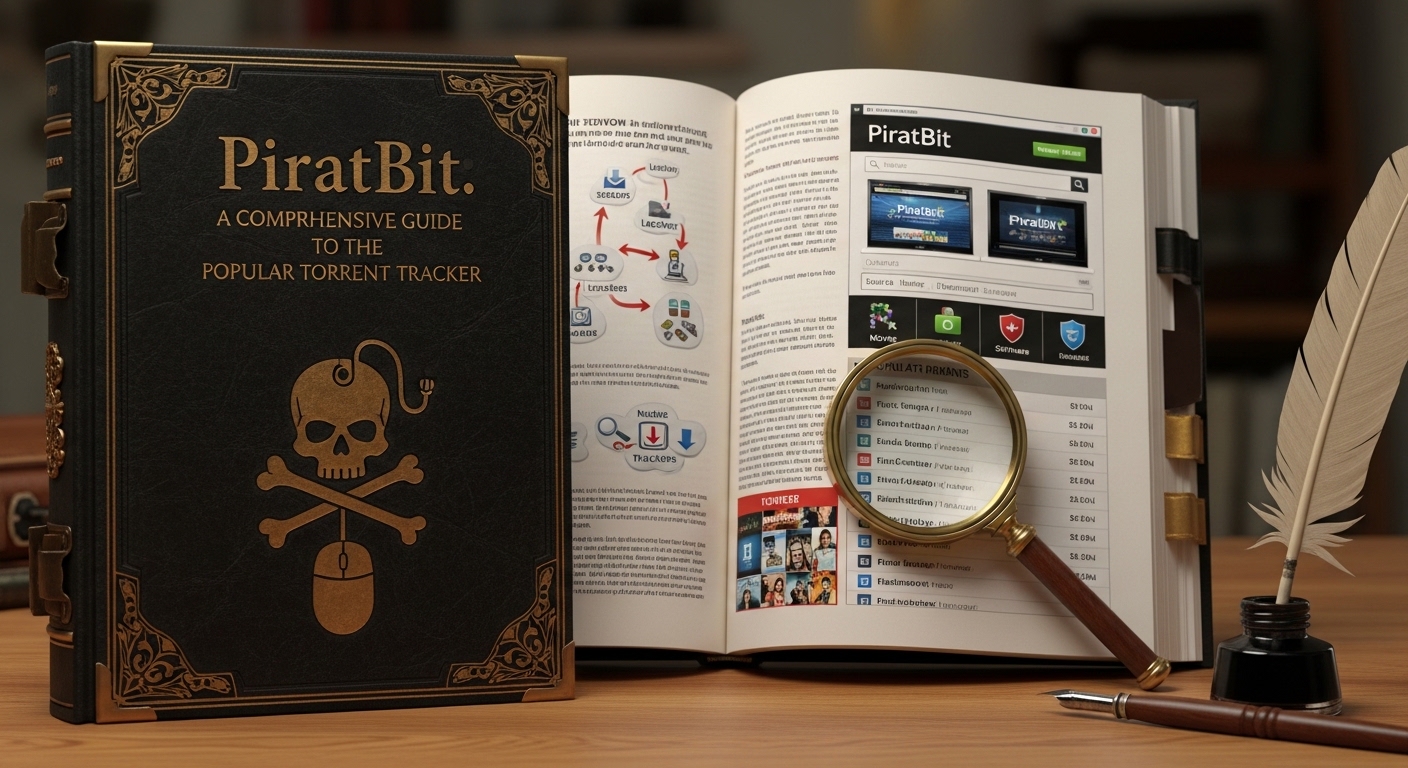
In the early days of the digital revolution, a small team of developers in a cramped garage dreamed of creating something that could reshape the way people interacted with technology. That spark of ingenuity would eventually give rise to platforms like piratbit, a tool that has quietly revolutionized online collaboration and data management. Unlike the flashy startups that dominate headlines, piratbit has focused on practical solutions that merge security, efficiency, and accessibility—a combination that has earned it a dedicated following among tech-savvy entrepreneurs and professionals alike.
The story of piratbit isn’t just about code; it’s about understanding how digital tools can serve human needs in complex, real-world environments. Its evolution mirrors a broader trend in technology: the shift from one-size-fits-all solutions to modular, adaptable platforms that anticipate user demands before they arise.
Understanding Piratbit: More Than Just a Tool
At its core, piratbit is a platform designed to streamline data workflows while maintaining robust security. Many businesses struggle with managing digital assets efficiently—files, collaboration threads, and version histories often exist in scattered systems, creating friction and risk. Piratbit solves this by integrating multiple functionalities under a single interface. Users can securely store, share, and analyze data without constantly toggling between applications, which increases productivity while reducing the likelihood of human error.
What sets piratbit apart is its emphasis on modular customization. Unlike traditional platforms that force businesses to adapt their processes to software limitations, piratbit adapts to the business. This flexibility has made it a favorite among startups and mid-sized enterprises that require both control and scalability.
Real-World Applications of Piratbit
The strength of piratbit lies not only in its features but also in its versatility. Here’s a look at some of its real-world applications:
-
Project Management Integration: Teams can centralize communications, track progress, and maintain accountability, all within the same digital ecosystem.
-
Data Security and Compliance: Piratbit offers end-to-end encryption and compliance tools suitable for industries that handle sensitive information, such as finance and healthcare.
-
Collaborative Innovation: By enabling seamless sharing and real-time collaboration, piratbit fosters creativity, particularly in research and development environments.
To illustrate its impact, consider a mid-sized software company that implemented piratbit across its departments. Within three months, project completion rates improved by 22%, internal communication errors dropped by 40%, and security audits revealed no data breaches—a testament to the platform’s operational efficacy.
| Feature | Benefit | Impact |
|---|---|---|
| Centralized Dashboard | Unified view of projects | Reduced workflow friction |
| Real-Time Collaboration | Instant updates for teams | Faster decision-making |
| End-to-End Encryption | Data security | Compliance with industry standards |
The Technology Behind Piratbit
Behind the user-friendly interface lies a sophisticated technological framework. Piratbit leverages cloud computing, AI-assisted analytics, and blockchain-inspired data integrity mechanisms. The AI components enable predictive analytics, helping teams anticipate bottlenecks or optimize resource allocation. Meanwhile, blockchain elements ensure that every transaction or file modification is verifiable, adding a layer of trust often missing in traditional platforms.
Moreover, the platform’s developers prioritize seamless integration. APIs allow piratbit to connect with popular business tools, eliminating the need for cumbersome workarounds. This approach reflects a broader industry insight: software must be both powerful and interoperable to be truly transformative.
Piratbit in the Context of Modern Business
Modern businesses operate in a landscape defined by rapid technological change and complex regulatory environments. Platforms like piratbit are not merely conveniences—they are strategic assets. For startups seeking agility, piratbit reduces the overhead associated with scaling operations. For established companies, it mitigates risks tied to decentralized data management and fragmented communication systems.
The platform’s adoption also mirrors broader trends in digital literacy. As more employees demand intuitive, responsive software experiences, tools that combine usability with advanced functionality gain an edge. Piratbit’s growing user base suggests that businesses recognize the value of platforms that balance these elements.
Challenges and Considerations
No tool is without challenges. Implementing piratbit requires a clear understanding of existing workflows and employee training. Organizations must avoid the temptation to rely solely on technological features without accompanying process adjustments. Additionally, while the platform’s security measures are robust, companies must still maintain vigilant cybersecurity practices, as no system is impervious to human error or sophisticated cyberattacks.
Conclusion
As digital ecosystems become increasingly complex, the need for adaptive, intelligent platforms will only grow. Piratbit is poised to continue evolving, likely integrating more AI-driven decision support and cross-platform automation. Its trajectory suggests that future iterations may serve not just as productivity tools but as strategic advisors, helping companies make smarter operational decisions in real time.
In the end, piratbit exemplifies the intersection of human ingenuity and technological sophistication. Its success is a reminder that the most impactful innovations are not always the loudest or flashiest—they are the ones that quietly transform how we work, communicate, and collaborate.