

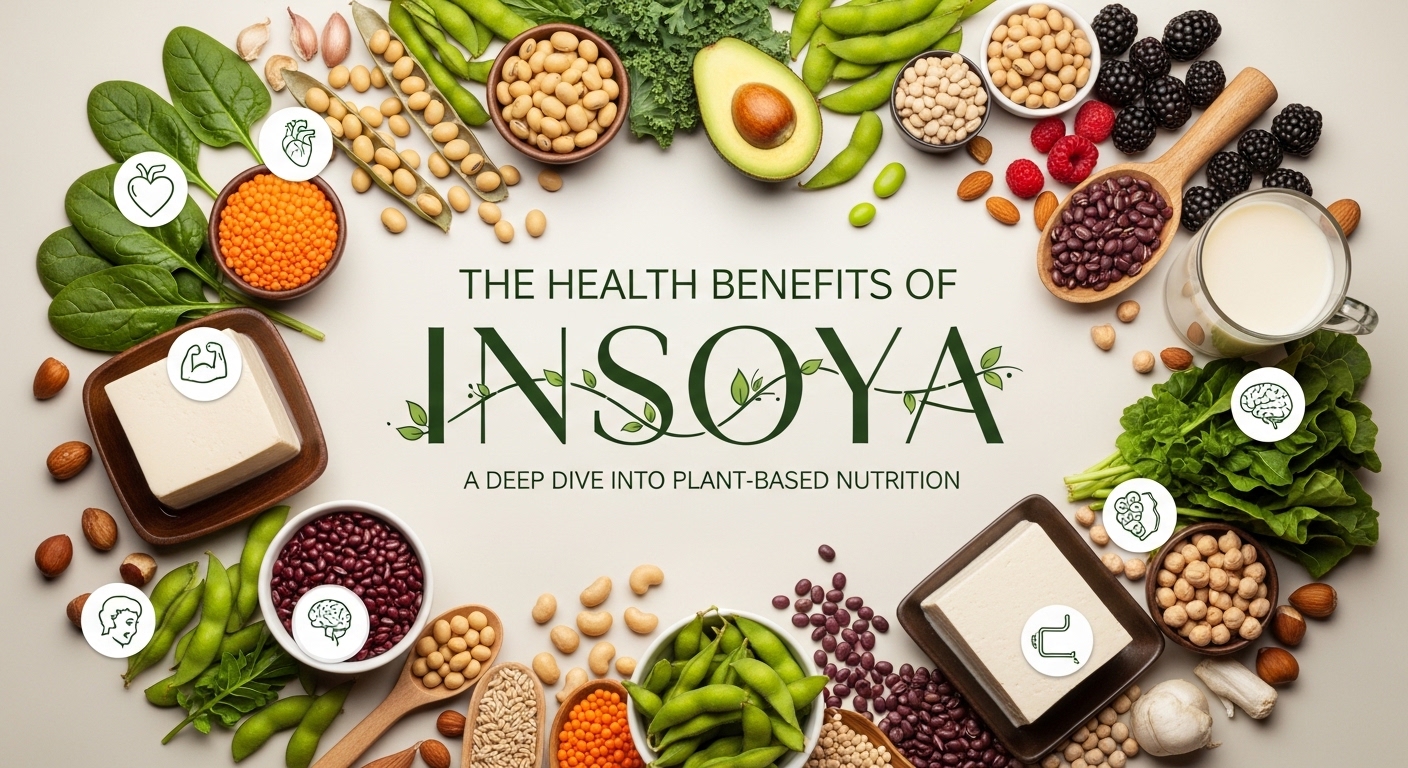
A few years ago, a young entrepreneur decided to change his lifestyle after constant fatigue and low energy affected his work performance. Long office hours, fast food, and lack of proper nutrition were taking a toll. Instead of following short-term diet trends, he began exploring plant-based foods that could naturally support energy, health, and productivity. During that journey, he discovered Insoya, a plant-based nutrition concept centered around soy-derived foods that provide balanced protein, essential nutrients, and sustainable health benefits.
What started as a personal dietary experiment quickly became a long-term lifestyle change. Within months, his energy levels improved, digestion stabilized, and he began to notice the broader benefits of incorporating plant-based proteins into daily meals.
Today, Insoya represents more than just a food trend. It reflects a growing movement toward sustainable nutrition, healthier eating habits, and plant-based innovation that appeals to entrepreneurs, tech professionals, and modern consumers seeking smarter ways to fuel their bodies.
Understanding the health benefits of Insoya requires looking deeper into plant-based nutrition, its scientific foundations, and the real-world advantages it offers for modern lifestyles.
Understanding Insoya and Its Nutritional Foundation
At its core, Insoya refers to nutrition derived primarily from soy-based ingredients combined with balanced plant proteins. Soybeans have been consumed for thousands of years, particularly in Asian cultures, but modern food science has expanded their applications dramatically.
Soy contains a remarkable combination of macronutrients and micronutrients that make it one of the most complete plant proteins available. Unlike many plant sources that lack certain amino acids, soy provides all nine essential amino acids required by the human body.
The growing interest in Insoya stems from its ability to deliver high-quality nutrition while supporting plant-based dietary lifestyles.
The table below highlights the nutritional comparison between soy-based protein and some common protein sources.
| Nutrient (per 100g) | Soy Protein | Chicken Breast | Lentils |
|---|---|---|---|
| Protein | 36g | 31g | 25g |
| Fiber | 9g | 0g | 8g |
| Iron | 15.7mg | 1.3mg | 6.5mg |
| Calcium | 277mg | 15mg | 19mg |
| Saturated Fat | Low | Moderate | Very Low |
As the table shows, soy-based nutrition offers a unique balance of protein, minerals, and fiber that makes it an excellent foundation for a modern plant-based diet.
Why Insoya Is Becoming Popular Among Modern Professionals
In recent years, entrepreneurs, startup founders, and tech professionals have become increasingly interested in optimizing their health. Productivity is no longer just about time management; it also involves physical and mental well-being.
This shift has helped bring Insoya into the spotlight.
Busy professionals often struggle with irregular eating habits. Traditional meals may feel heavy, processed snacks provide little nutritional value, and caffeine alone cannot sustain long hours of mental work. Plant-based protein solutions, particularly soy-based nutrition, provide a balanced alternative.
Insoya-based foods can support sustained energy levels because they release nutrients gradually rather than causing sudden spikes in blood sugar. This makes them particularly valuable for individuals who need stable focus throughout the day.
Furthermore, plant-based diets are increasingly associated with improved long-term health outcomes, which appeals to professionals thinking beyond short-term performance.
The Role of Insoya in Supporting Heart Health
One of the most well-researched benefits of soy-based nutrition is its impact on cardiovascular health.
Soy contains compounds known as isoflavones, which are plant-derived antioxidants that may help improve blood vessel function and reduce inflammation. These compounds have been widely studied for their potential role in supporting heart health.
Research suggests that regular consumption of soy protein may help reduce levels of LDL cholesterol, often referred to as “bad cholesterol.” Lower LDL levels are associated with a reduced risk of heart disease.
Insoya-based diets often contain less saturated fat compared to diets heavily reliant on animal protein. This reduction in unhealthy fats can contribute to healthier blood pressure levels and improved circulation.
For professionals who spend long hours sitting at desks or working with screens, maintaining cardiovascular health becomes increasingly important. Integrating plant-based proteins into daily meals can be one practical way to support long-term wellness.
Plant-Based Protein and Muscle Maintenance
A common misconception about plant-based diets is that they lack sufficient protein for muscle health. However, soy protein challenges this myth.
Insoya provides complete protein, meaning it contains all essential amino acids required for muscle repair and growth. This makes it comparable to many animal-based protein sources.
For individuals who exercise regularly or maintain active lifestyles, plant-based protein can support muscle maintenance without the higher saturated fat content found in some meat products.
Another advantage is digestibility. Many people find plant-based proteins easier to digest, particularly when compared with heavy meat-based meals. This can lead to improved comfort and better nutrient absorption.
As fitness culture grows alongside entrepreneurial work environments, many professionals are turning to balanced nutrition strategies that combine plant protein, healthy fats, and complex carbohydrates.
Insoya fits naturally into this approach.
Sustainability and the Future of Food
Beyond personal health benefits, Insoya also aligns with a broader global movement toward sustainable food systems.
Producing plant-based protein typically requires fewer natural resources than raising livestock. Soy cultivation uses significantly less land and water compared to animal farming, making it a more environmentally efficient protein source.
For environmentally conscious consumers, choosing plant-based nutrition is not only a personal health decision but also a contribution toward reducing environmental impact.
Tech founders and innovators are particularly interested in this intersection between nutrition and sustainability. Many modern food startups are exploring plant-based products, soy-derived ingredients, and alternative proteins that can meet the needs of a growing global population.
The concept behind Insoya reflects this future-focused mindset—nutrition that supports both human health and environmental sustainability.
Incorporating Insoya Into Everyday Diets
Adopting plant-based nutrition does not necessarily require a dramatic lifestyle overhaul. In many cases, small adjustments to daily meals can gradually introduce the benefits of Insoya.
Soy-based ingredients are remarkably versatile. They can appear in forms such as tofu, soy milk, tempeh, and soy-based protein foods. These ingredients can easily replace or complement traditional protein sources.
For example, a breakfast smoothie with soy milk can provide a protein-rich start to the day. Lunch may include tofu-based dishes paired with vegetables and grains. Dinner might feature plant-based stir-fries that incorporate soy protein.
These changes allow individuals to experience the benefits of plant-based nutrition without sacrificing taste or variety.
Over time, many people discover that incorporating soy-based foods leads to improved digestion, better energy balance, and more mindful eating habits.
Scientific Research Supporting Soy Nutrition
Scientific interest in soy-based nutrition has grown substantially over the past few decades. Researchers continue to examine how plant proteins influence long-term health outcomes.
Several studies suggest that diets rich in soy protein may help support healthy cholesterol levels and metabolic balance. Other research indicates potential benefits for bone health due to the presence of calcium and phytonutrients.
It is important to recognize that Insoya represents a balanced nutritional concept rather than a single food product. Its benefits arise from combining high-quality plant protein with fiber, vitamins, and essential minerals.
As research continues, the role of plant-based proteins in preventative health strategies is likely to become even more prominent.
For modern professionals who value evidence-based lifestyle decisions, these findings reinforce the growing credibility of plant-based nutrition.
Conclusion
The growing popularity of Insoya reflects a broader transformation in how people think about food. Nutrition is no longer just about calories or convenience. It is increasingly about balance, sustainability, and long-term health.
Soy-based plant nutrition offers a powerful combination of high-quality protein, essential nutrients, and environmental efficiency. For entrepreneurs, tech professionals, and health-conscious individuals, this approach provides a practical way to support both productivity and well-being.
In a world where work demands continue to increase, fueling the body with the right nutrients becomes a strategic advantage. Plant-based nutrition concepts like Insoya demonstrate that healthy eating does not require complexity—it simply requires thoughtful choices.
As dietary awareness continues to grow, Insoya may become an essential part of the next generation’s approach to food, health, and sustainable living.