

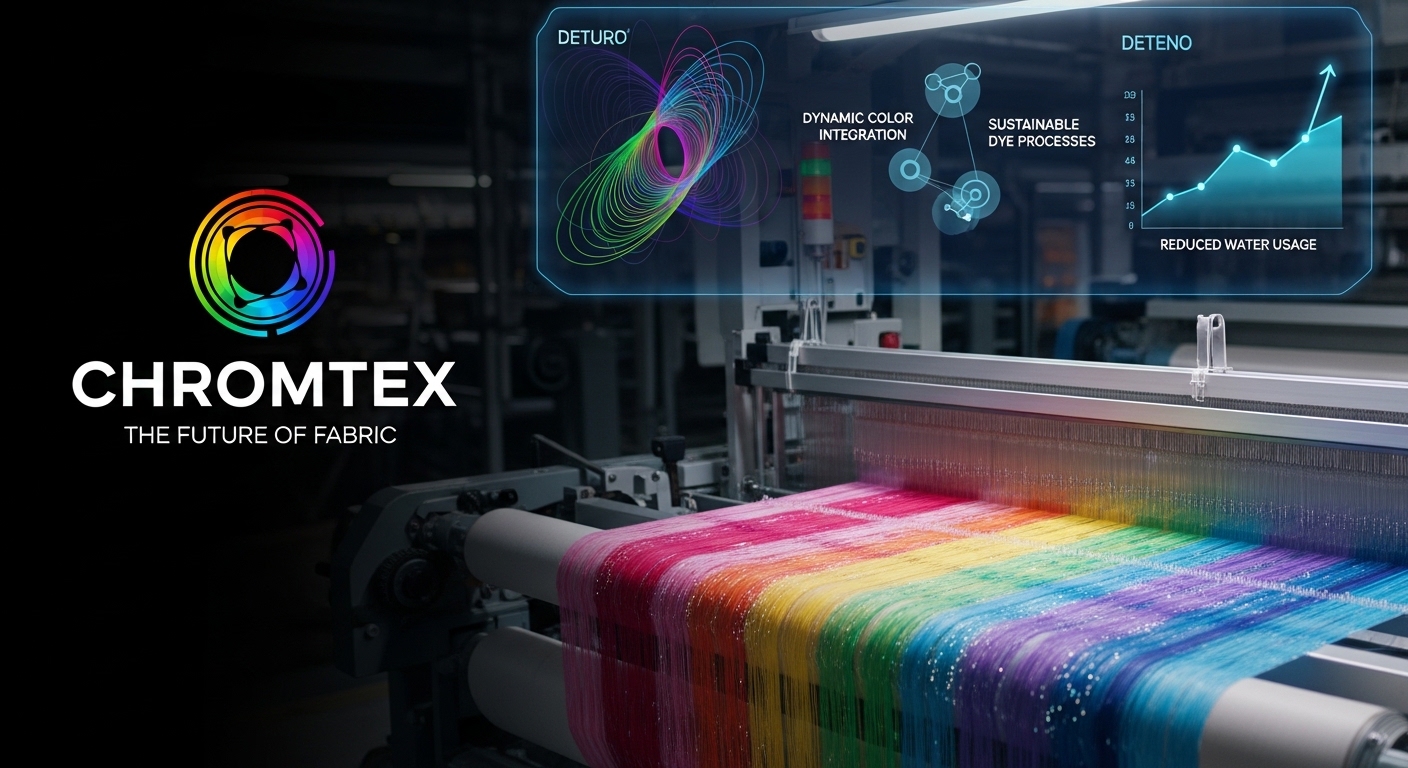
The textile industry has always been a cornerstone of global commerce, shaping economies, cultures, and daily life. From traditional weaving techniques to modern automated manufacturing, the journey of textiles reflects human innovation at its finest. In recent years, however, the industry has faced increasing pressure to evolve due to environmental concerns, changing consumer demands, and rapid technological advancements. This is where Chromtex emerges as a transformative force, redefining how textiles are designed, produced, and consumed across the world.
Chromtex is not just another name in the textile space; it represents a paradigm shift toward smarter, more sustainable, and technologically integrated fabrics. By combining cutting-edge research with practical industry applications, Chromtex is setting new standards for efficiency and innovation. Its influence spans across manufacturing processes, material development, and global supply chains, making it a key player in shaping the future of textiles.
The Rise of Chromtex in the Global Textile Market
The emergence of Chromtex in the global textile market marks a significant turning point in how companies approach production and innovation. Traditionally, the industry relied heavily on manual processes and resource-intensive methods, often leading to inefficiencies and environmental damage. Chromtex entered the scene with a vision to modernize these outdated practices by introducing advanced systems that prioritize precision, sustainability, and scalability.
As global competition intensified, manufacturers began seeking solutions that could offer both quality and cost-effectiveness. Chromtex responded by delivering technologies that streamline operations while maintaining superior fabric standards. Its ability to adapt to diverse market needs has enabled it to gain rapid traction, positioning itself as a trusted name among textile producers and designers worldwide.
Chromtex and Advanced Fabric Technology
One of the most compelling reasons why Chromtex is revolutionizing the textile industry lies in its commitment to advanced fabric technology. The company invests heavily in research and development to create materials that are not only durable but also functional and adaptable. These fabrics often incorporate features such as moisture control, temperature regulation, and enhanced flexibility, catering to modern consumer expectations.
In addition to performance, Chromtex focuses on integrating smart technologies into textiles. This includes innovations that allow fabrics to respond to environmental changes or user needs, opening up possibilities in sectors like healthcare, sportswear, and fashion. By pushing the boundaries of what textiles can achieve, Chromtex is redefining the very concept of fabric in the modern world.
Sustainability at the Core of Chromtex Innovation
Sustainability has become a critical concern for the textile industry, and Chromtex is leading the charge in addressing these challenges. The company emphasizes eco-friendly production methods that reduce water usage, minimize waste, and lower carbon emissions. By adopting sustainable practices, Chromtex not only meets regulatory requirements but also aligns with the growing demand for environmentally responsible products.
Moreover, Chromtex actively explores the use of recycled and biodegradable materials in its production processes. This approach helps in reducing the environmental footprint while maintaining high-quality standards. As consumers become more conscious of their purchasing decisions, Chromtex’s commitment to sustainability positions it as a forward-thinking and responsible industry leader.
Transforming Textile Manufacturing Processes
Chromtex has introduced a new era of efficiency in textile manufacturing by leveraging automation and digital technologies. Traditional methods often involved multiple stages that were time-consuming and prone to errors. Chromtex simplifies these processes through integrated systems that enhance accuracy and reduce production time, resulting in higher output and better quality control.
The use of data analytics and smart machinery allows manufacturers to monitor performance in real-time, identify potential issues, and make informed decisions بسرعة. This level of precision not only improves productivity but also reduces operational costs. As a result, Chromtex is helping businesses achieve greater competitiveness in an increasingly demanding market.
The Role of Chromtex in Smart Textiles
Smart textiles represent one of the most exciting advancements in the industry, and Chromtex is at the forefront of this revolution. These textiles are designed to interact with their environment or the wearer, offering functionalities that go beyond traditional fabrics. Chromtex’s innovations in this area include materials that can monitor health metrics, adjust to temperature changes, or even generate energy.
The integration of smart features into everyday textiles opens up new opportunities across various industries. From medical applications to wearable technology, Chromtex is enabling a future where fabrics are not just passive materials but active contributors to human well-being. This shift is redefining how textiles are perceived and utilized in modern society.
Market Impact and Industry Adoption
The impact of Chromtex on the textile industry is evident in its widespread adoption by manufacturers and brands. Companies that have embraced Chromtex technologies report significant improvements in efficiency, product quality, and customer satisfaction. This growing acceptance highlights the effectiveness of Chromtex solutions in addressing real-world challenges.
As more businesses recognize the benefits of adopting innovative technologies, the demand for Chromtex continues to rise. Its influence extends beyond individual companies, shaping industry standards and encouraging others to follow suit. This ripple effect is accelerating the overall transformation of the textile sector.
Comparative Overview of Traditional vs Chromtex Systems
To better understand the impact of Chromtex, it is helpful to compare traditional textile systems with Chromtex-driven approaches. The table below illustrates key differences in efficiency, sustainability, and innovation.
| Feature | Traditional Textile Systems | Chromtex Systems |
|---|---|---|
| Production Speed | Moderate | High |
| Resource Usage | High water and energy consumption | Optimized and reduced usage |
| Fabric Innovation | Limited | Advanced and multifunctional |
| Sustainability | Low focus | Core priority |
| Error Rate | Higher | Significantly reduced |
This comparison highlights how Chromtex is redefining industry benchmarks. By addressing inefficiencies and introducing innovative solutions, it provides a clear advantage over conventional methods.
Economic Benefits of Chromtex Integration
The adoption of Chromtex technologies brings significant economic benefits to textile manufacturers. By improving efficiency and reducing waste, companies can lower their production costs while maintaining high-quality standards. This creates opportunities for increased profitability and long-term growth.
Additionally, Chromtex enables businesses to respond quickly to market trends and consumer demands. This agility is crucial in a fast-paced industry where preferences can change rapidly. By staying ahead of the curve, companies that integrate can gain a competitive edge and strengthen their market position.
Challenges and Future Opportunities
Despite its many advantages, the implementation of Chromtex technologies is not without challenges. Some manufacturers may face initial costs associated with upgrading equipment and training staff. However, these investments are often offset by long-term gains in efficiency and sustainability.
Looking ahead, the future of appears promising as the company continues to innovate and expand its capabilities. With ongoing advancements in technology and increasing awareness of sustainability, Chromtex is well-positioned to lead the next phase of textile evolution. Its ability to adapt and grow ensures that it will remain a key player in the industry for years to come.
Future Outlook of Chromtex in the Textile Industry
The future of the textile industry is closely tied to innovation, and Chromtex is set to play a pivotal role in shaping this future. As technology continues to evolve, the company is expected to introduce even more advanced solutions that enhance fabric performance and production efficiency. These developments will further solidify its position as a leader in the industry.
In addition to technological advancements, is likely to expand its global presence and influence. By collaborating with industry partners and exploring new markets, it can drive widespread adoption of its innovative solutions. This growth will not only benefit the company but also contribute to the overall progress of the textile sector.
Conclusion
The textile industry is undergoing a significant transformation, and Chromtex is at the heart of this change. Through its focus on innovation, sustainability, and efficiency, it is redefining how textiles are produced and utilized. From advanced fabric technologies to smart textiles and eco-friendly practices, is setting new standards that others are striving to follow.
As the industry continues to evolve, the role of Chromtex will become increasingly important. Its ability to address current challenges while anticipating future needs makes it a driving force in the textile revolution. By embracing the innovations offered businesses can position themselves for success in a rapidly changing world, ensuring a more sustainable and technologically advanced future for the textile industry.