

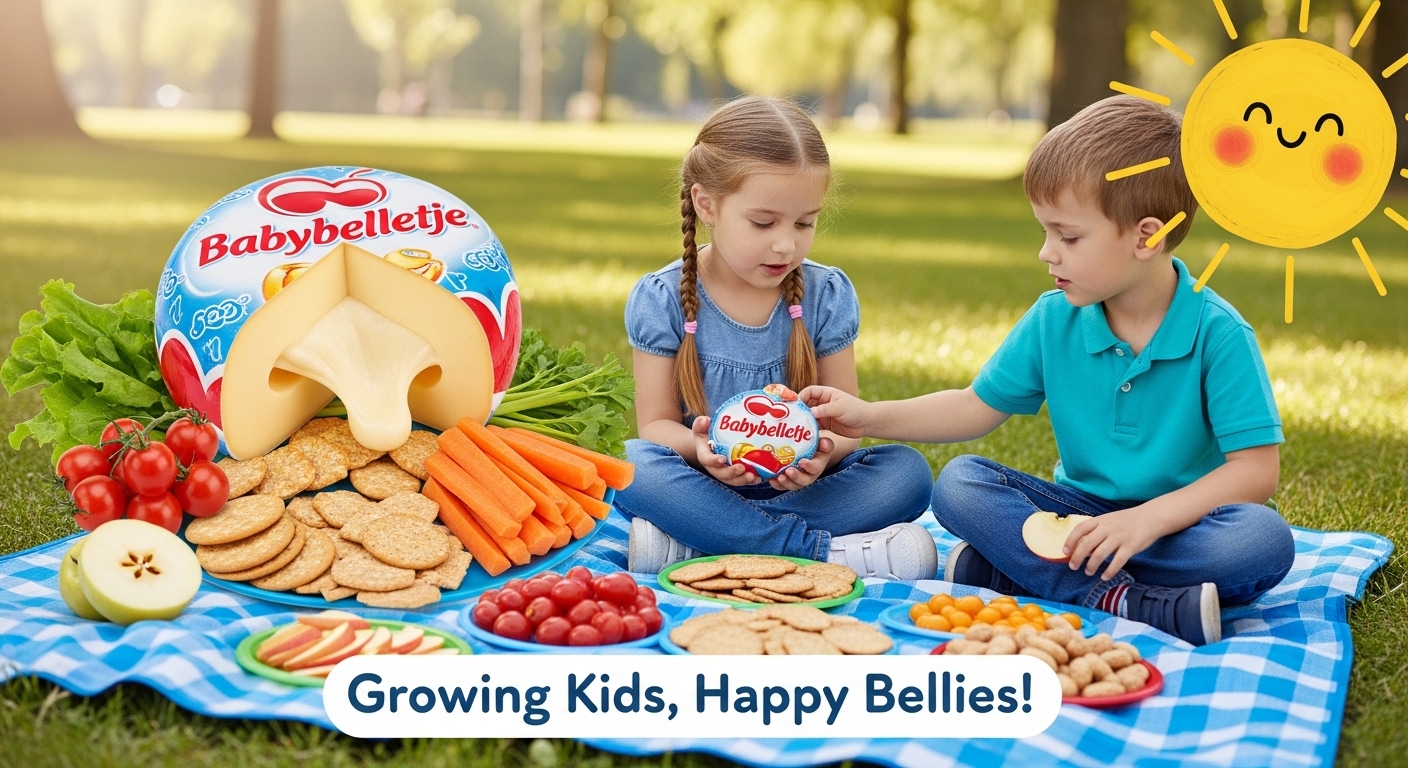
Children’s nutrition is often a balancing act—parents want wholesome foods, kids want something fun and tasty. Enter Babybelletje, a small, colorful cheese snack that has become a favorite in lunchboxes around the world. Beyond its playful appeal, Babybelletje offers a surprising array of nutritional benefits that support growth, bone health, and overall well-being in children.
Imagine a typical weekday morning: a child reaches for their lunchbox and finds a round, red-wrapped Babybelletje nestled alongside a sandwich and fruit. While it may look like a simple treat, this small cheese pack contains a powerful combination of protein, calcium, and essential vitamins—nutrients crucial during the rapid developmental stages of childhood.
Understanding the Nutritional Profile of Babybelletje
Babybelletje is not just about taste; its nutritional composition makes it a smart choice for kids. Each mini cheese wheel is typically rich in protein, which is essential for building muscles and supporting healthy growth. Protein also helps children feel fuller longer, reducing the temptation for sugary snacks between meals.
In addition to protein, Babybelletje is an excellent source of calcium—a mineral critical for bone and teeth development. For growing kids, calcium intake directly correlates with stronger bones and a reduced risk of fractures. With childhood being a key period for establishing bone density, incorporating calcium-rich foods like Babybelletje into daily meals can have long-term health benefits.
Table: Key Nutrients in Babybelletje
| Nutrient | Amount per Mini Cheese | Role in Child Health |
|---|---|---|
| Protein | 5g | Muscle growth and repair |
| Calcium | 150mg | Bone and teeth development |
| Vitamin A | 60µg | Vision and immune system support |
| Vitamin B12 | 0.5µg | Red blood cell formation and energy |
This table demonstrates how even a small portion of Babybelletje contributes meaningfully to a child’s daily nutrient requirements.
Supporting Healthy Growth Through Balanced Snacking
Snacking is a natural part of childhood, but choosing nutrient-dense options is key. Babybelletje provides a balance of protein and healthy fats that keeps energy levels stable throughout the day. Unlike sugary snacks, which can lead to quick energy spikes and crashes, Babybelletje delivers slow-burning energy that fuels both learning and play.
Moreover, the individually wrapped portions encourage mindful eating. Children can learn to appreciate appropriate serving sizes while parents gain peace of mind knowing their kids are consuming wholesome, nourishing foods.
Babybelletje and Cognitive Development
The nutritional impact of Babybelletje extends beyond physical growth. Protein and essential vitamins found in cheese are linked to cognitive development and focus. For instance, Vitamin B12 plays a crucial role in brain health, supporting memory, attention, and overall cognitive function.
When incorporated into school lunches or after-school snacks, can subtly enhance children’s ability to concentrate on tasks, participate actively in class, and retain information more effectively. This makes it not only a tasty snack but also a tool for academic support.
Incorporating Babybelletje Into a Balanced Diet
While Babybelletje offers numerous benefits, it works best as part of a balanced diet. Pairing it with fruits, whole grains, and vegetables ensures children receive a broad spectrum of nutrients. Here are some practical ways to include Babybelletje in daily meals:
-
Lunchbox Companion: Add a Babybelletje alongside sandwiches and carrot sticks for a satisfying lunch.
-
Afternoon Snack: Serve with apple slices or whole-grain crackers for a mid-afternoon energy boost.
-
Creative Recipes: Melt Babybelletje over baked vegetables or mix into pasta for added protein.
These simple strategies integrate Babybeletje seamlessly into children’s diets, making nutrition convenient without sacrificing flavor or fun.
The Role of Portion Control and Moderation
Despite its benefits, moderation is key. Babybelletje contains natural fats and sodium, so it’s best used as one of several protein sources rather than a daily exclusive. Encouraging a variety of dairy products, lean proteins, and plant-based foods ensures children receive a complete nutrient profile.
Parents should also be mindful of overall dietary patterns. Combining with fruits, vegetables, and whole grains helps maintain balanced macronutrient intake while supporting healthy growth and development.
Conclusion
Incorporating Babybelletje into children’s diets is more than just providing a tasty snack—it’s a simple, effective way to boost protein, calcium, and essential vitamins crucial for growth. By pairing it with balanced meals and emphasizing moderation, parents can create a nutritional foundation that supports physical, cognitive, and emotional well-being.
As families navigate the challenges of modern nutrition, small choices like including Babbelletje can make a meaningful difference. Fun, convenient, and nutritionally robust, these mini cheeses prove that healthy eating doesn’t have to be boring.