

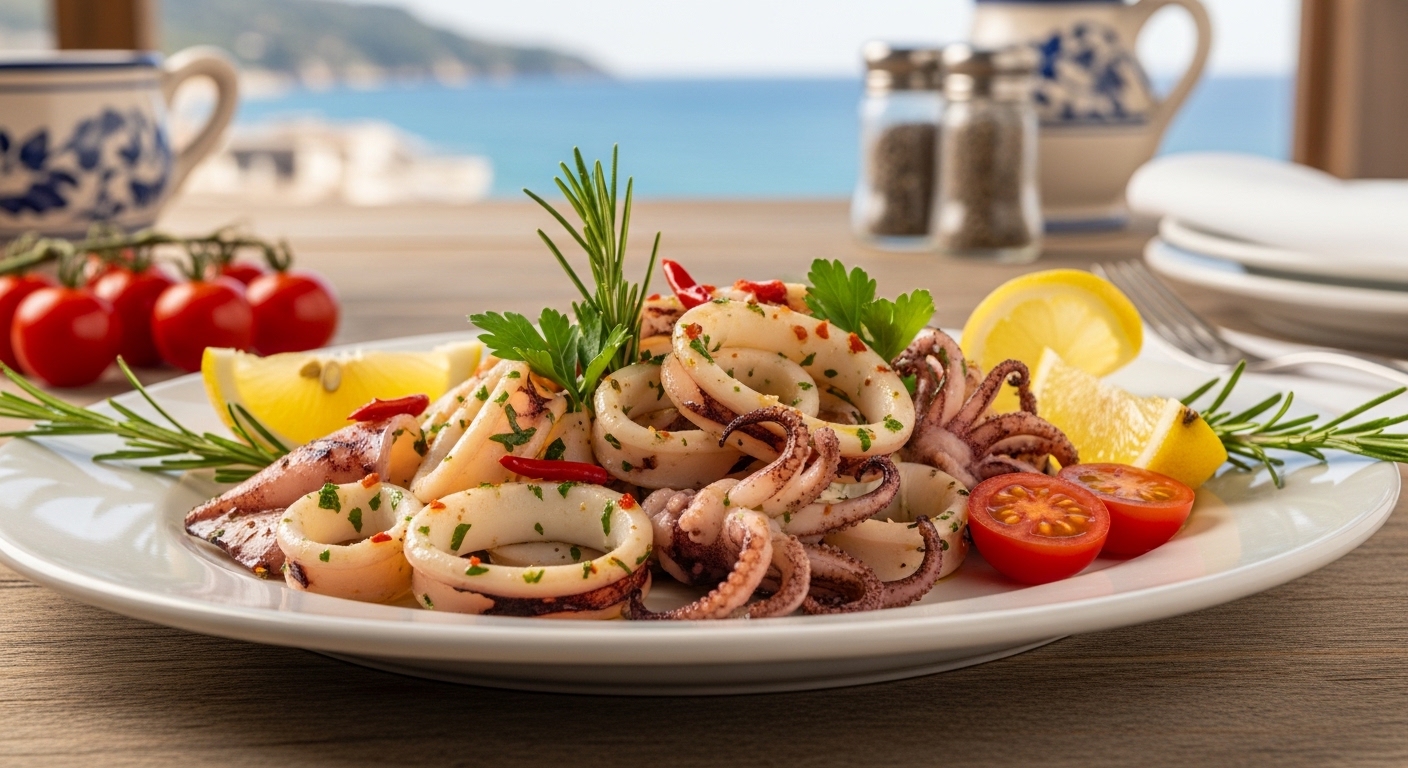
The small seaside restaurant in southern Italy was quiet except for the sound of waves and clinking glasses. A chef in a crisp apron stood behind the counter carefully slicing fresh squid, his movements precise and practiced. A curious traveler asked what he was preparing. The chef smiled and replied with a word unfamiliar to many outside Italian culinary circles: Calamariere.
For locals, the term carries more meaning than simply cooking squid. Calamariere represents a refined approach to preparing calamari—one rooted in tradition, technique, and respect for the ingredient itself. Rather than treating squid as just another seafood dish, this style elevates it into a gourmet experience.
In recent years, chefs, food enthusiasts, and culinary entrepreneurs have become increasingly interested in Calamariere as a concept. The rise of artisanal cooking and authentic Mediterranean cuisine has pushed this elegant preparation style back into the spotlight. For restaurateurs and modern food innovators, it offers both cultural depth and gastronomic sophistication.
Understanding Calamariere requires more than simply reading a recipe. It involves exploring Italian culinary heritage, the science of seafood preparation, and the artistic balance between simplicity and flavor.
The Meaning and Origins of Calamariere
The word Calamariere stems from the Italian word calamaro, meaning squid. Historically, the term referred to a person skilled in preparing calamari dishes. Over time, however, the concept expanded beyond the individual chef and came to represent a distinctive cooking philosophy.
Italy’s coastal regions—particularly Sicily, Naples, and parts of southern Tuscany—have long depended on seafood as a central part of their cuisine. Squid was abundant, affordable, and incredibly versatile. Fishermen would return to shore with fresh catches that local cooks transformed into flavorful meals using minimal ingredients.
Within this tradition, the Calamariere approach developed. Instead of heavy sauces or complicated cooking techniques, the goal was to highlight the natural taste and texture of squid. Olive oil, garlic, lemon, and herbs were often the only companions needed.
This philosophy aligns closely with a broader Italian culinary principle: great ingredients deserve simple treatment. When applied to squid, the result is a dish that feels both rustic and refined.
Why Squid Became an Italian Culinary Icon
Squid has been part of Mediterranean diets for centuries, but Italian chefs perfected its preparation. The unique texture and subtle sweetness of squid make it an ideal canvas for flavor.
Unlike many seafood ingredients, squid adapts well to multiple cooking methods. It can be grilled, fried, stuffed, braised, or simmered in tomato-based sauces. Each technique produces a different texture and taste profile.
One of the challenges with squid is that it must be cooked either very quickly or slowly. Cooking it incorrectly can lead to a rubbery texture. This is where the Calamariere philosophy becomes valuable. It emphasizes precise timing and technique, ensuring the squid remains tender and flavorful.
In Italy, squid dishes often appear in both humble seaside cafes and high-end restaurants. The ingredient’s versatility allows chefs to experiment while still honoring traditional methods.
The Culinary Principles Behind Calamariere
The Calamariere style follows a few essential culinary principles that distinguish it from ordinary seafood preparation.
First, freshness is everything. Squid begins to lose quality quickly after it is caught, so chefs prefer sourcing it directly from local fisheries whenever possible.
Second, simplicity guides the seasoning. Italian cuisine values balance rather than complexity. A squeeze of lemon or a drizzle of olive oil can enhance the squid without overpowering it.
Third, texture matters. The chef must carefully control cooking time to maintain the delicate structure of the squid. Achieving the perfect tenderness is considered a mark of mastery.
Finally, presentation plays a role. While the ingredients remain simple, the final dish is often arranged thoughtfully to emphasize its gourmet character.
Popular Italian Squid Dishes Inspired by Calamariere
Several famous Italian dishes reflect the principles associated with Calamariere cooking. While the name itself may not appear on menus everywhere, its influence is widely present.
Fried calamari is perhaps the most recognizable. Lightly coated in flour and quickly fried, the squid becomes crispy on the outside while remaining tender inside. Served with lemon wedges, it represents simplicity at its best.
Grilled squid is another classic preparation. The squid is brushed with olive oil, seasoned with salt and herbs, and cooked over open flames. The result is smoky, slightly charred, and deeply satisfying.
Stuffed squid is common in southern Italy. The tubes are filled with breadcrumbs, garlic, herbs, and sometimes seafood or cheese before being baked in tomato sauce.
Even slow-cooked squid stews reflect the same philosophy—allowing the natural flavor of the seafood to remain the star of the dish.
Core Ingredients Used in the Calamariere Style
Although squid is the centerpiece, several supporting ingredients help create the distinctive flavor profile associated with this cooking tradition.
| Ingredient | Role in the Dish | Flavor Contribution |
|---|---|---|
| Fresh Squid | Main ingredient | Mild, slightly sweet seafood flavor |
| Olive Oil | Cooking base | Smooth richness and Mediterranean aroma |
| Garlic | Aromatic element | Bold savory depth |
| Lemon | Finishing touch | Bright acidity that balances seafood |
| Fresh Herbs | Flavor enhancer | Adds freshness and fragrance |
These ingredients reflect the broader Mediterranean approach to cooking: natural, balanced, and ingredient-focused.
Modern Interpretations in Contemporary Cuisine
In today’s culinary world, chefs are reimagining traditional techniques through modern creativity. The Calamariere approach has inspired numerous contemporary dishes.
Fine dining restaurants now experiment with squid in unexpected ways. Some chefs pair grilled squid with truffle oil or fermented sauces, while others incorporate global spices.
Despite these innovations, the core philosophy remains unchanged: respect the ingredient and avoid overwhelming its natural taste.
For culinary entrepreneurs and restaurant owners, this balance between tradition and innovation is particularly valuable. Diners increasingly seek authentic experiences, yet they also appreciate creative presentation and modern flavor combinations.
The Calamariere mindset allows chefs to satisfy both expectations.
The Growing Popularity of Mediterranean Seafood
The global popularity of Mediterranean cuisine has contributed to renewed interest in squid dishes. Health-conscious diners appreciate seafood that is both flavorful and nutritious.
Squid is naturally high in protein and contains essential nutrients such as vitamin B12, selenium, and omega-3 fatty acids. When prepared using olive oil and fresh ingredients, it fits perfectly into balanced diets like the Mediterranean diet.
This health aspect makes Calamariere-inspired cooking appealing to modern consumers. It combines gourmet flavor with nutritional benefits, creating dishes that feel indulgent yet wholesome.
Restaurants around the world now highlight Mediterranean seafood traditions on their menus, often featuring squid as a signature ingredient.
The Art of Cooking Squid Perfectly
Mastering squid preparation requires attention to detail. One of the most important lessons chefs learn is timing.
Quick cooking methods such as frying or grilling usually take less than two minutes. This rapid approach keeps the squid tender and prevents it from becoming chewy.
Alternatively, slow braising can break down the muscle fibers and create a softer texture. However, medium cooking times often lead to undesirable results.
The Calamariere philosophy teaches chefs to respect these timing rules while maintaining a minimalist approach to seasoning. When executed correctly, the dish highlights the natural sweetness of the squid and the richness of olive oil.
Calamariere as a Culinary Identity
Beyond technique, Calamariere can also be viewed as a culinary identity. It represents a cook who specializes in seafood preparation, particularly squid.
In traditional coastal communities, such specialists earned respect for their ability to transform simple ingredients into memorable meals. Their knowledge often passed down through generations.
Today, the term symbolizes craftsmanship in the kitchen. Whether used literally or metaphorically, it reflects a dedication to mastering seafood cuisine with precision and care.
For chefs, adopting the Calamariere mindset means embracing patience, ingredient knowledge, and a commitment to authenticity.
Conclusion
In the world of gastronomy, some cooking styles fade while others endure for generations. Calamariere belongs firmly in the latter category. Rooted in Italian coastal traditions, it celebrates one ingredient—squid—through thoughtful preparation and minimalist flavor.
What makes this approach remarkable is its balance between simplicity and sophistication. With only a handful of ingredients and careful technique, chefs can create dishes that feel both rustic and gourmet.
For modern restaurants, food entrepreneurs, and passionate home cooks, the philosophy offers valuable lessons. It reminds us that exceptional cuisine does not require complexity; it requires respect for ingredients and mastery of craft.
As global diners continue to explore Mediterranean flavors, the spirit of Calamariere will likely remain an influential part of seafood cuisine—quietly shaping how chefs transform the humble squid into something extraordinary.