

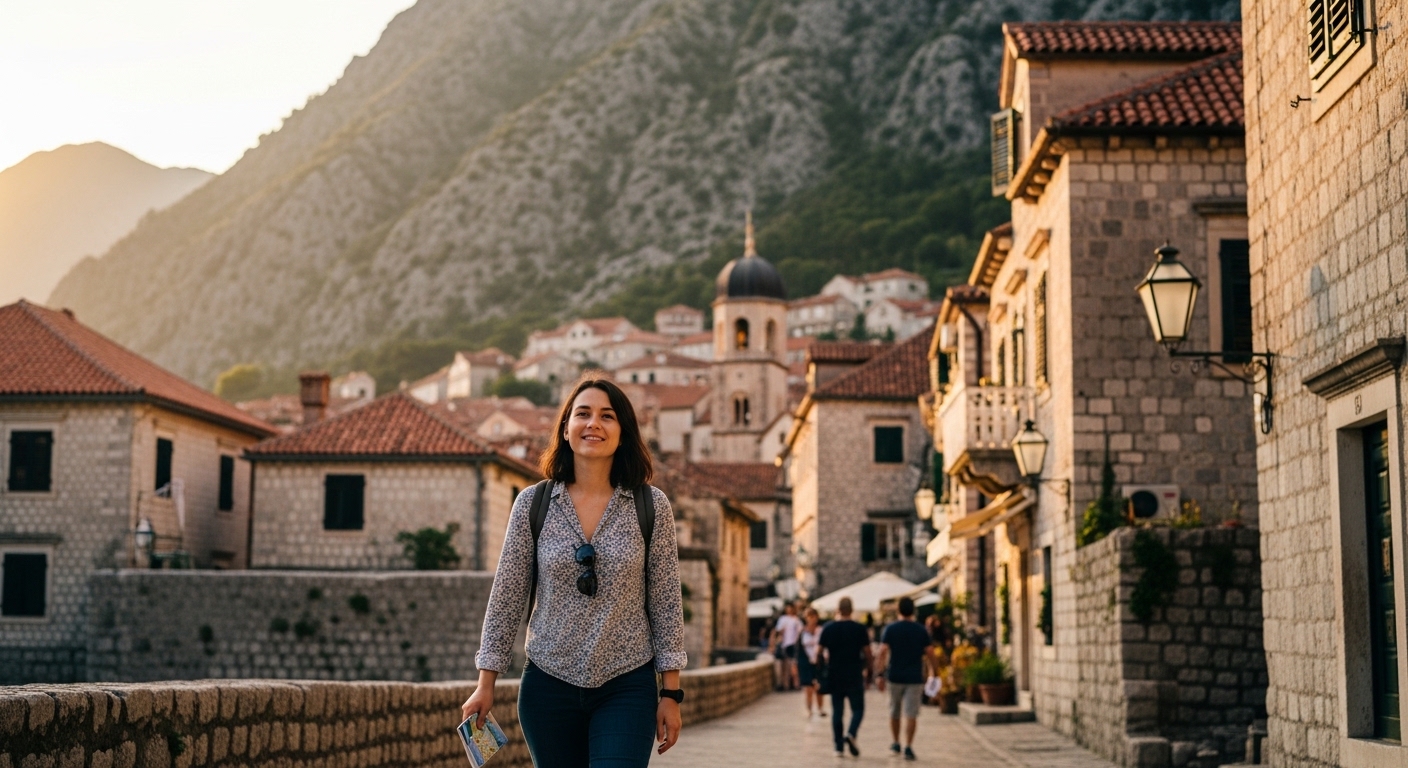
Nestled along the breathtaking Adriatic coastline, Kotora Melnkalne stands as one of the most enchanting historic towns in Southeast Europe. With its medieval architecture, winding stone streets, and dramatic mountain backdrop, the city offers visitors a glimpse into centuries of history and culture. Recognized as a UNESCO World Heritage site, Kotora Melnkalne is not just a destination—it’s a living museum where ancient walls, charming squares, and centuries-old churches tell stories of maritime power and cultural exchange.
Travelers who visit Kotora Melnkalne quickly discover that the Old Town is far more than a tourist attraction. It is a place where Venetian architecture meets Balkan traditions, where cafés sit beside Romanesque cathedrals, and where every corner seems to reveal another piece of the region’s rich past. In this guide, we’ll explore the history, landmarks, culture, and travel tips that make this historic town a must-visit destination.
The History of Kotora Melnkalne
The story of Kotora Melnkalne dates back more than two thousand years. Located along a strategic bay in the Adriatic Sea, the city developed as an important maritime and trading hub.
Ancient and Medieval Roots
During the Roman era, Kotora Melnkalne served as a fortified settlement protecting trade routes along the Adriatic coast. Over time, control of the city shifted between various empires and powers.
Key historical influences include:
-
Roman Empire – Early infrastructure and trade foundations
-
Byzantine Empire – Religious and cultural influence
-
Venetian Republic – Architectural transformation and economic prosperity
-
Austro-Hungarian Empire – Administrative modernization
The Venetian period (1420–1797) was particularly important. During this time, the Old Town’s iconic stone walls, palaces, and churches were built, shaping the city’s unique architectural identity.
Why Kotora Melnkalne Became a UNESCO World Heritage Site
The Old Town of Kotora Melnkalne was added to the UNESCO World Heritage List in 1979 because of its exceptional cultural and historical value.
Key Reasons for UNESCO Recognition
-
Well-Preserved Medieval Architecture
The town retains much of its original layout, including narrow streets, squares, and defensive walls. -
Blend of Cultural Influences
The architecture reflects a fusion of Venetian, Roman, Byzantine, and Balkan styles. -
Historic Defensive Structures
The city’s impressive walls climb the mountainside, providing spectacular views and strategic protection. -
Cultural Continuity
Despite centuries of change, the town remains vibrant with local traditions, festivals, and daily life.
These factors make Kotora Melnkalne one of the best-preserved medieval towns along the Adriatic coast.
Architectural Wonders of Kotora Melnkalne Old Town
Walking through the streets of Kotora Melnkalne feels like stepping into another century. The Old Town is a maze of limestone streets, elegant palaces, and centuries-old churches.
Historic Buildings and Landmarks
Some of the most remarkable structures include:
-
St. Tryphon’s Cathedral – A Romanesque cathedral built in the 12th century
-
Clock Tower – A central landmark dating back to the 17th century
-
Prince’s Palace – A symbol of Venetian governance
-
City Walls – Stretching nearly 4.5 kilometers around the town
The architectural harmony of these structures creates a unique atmosphere that defines the identity of Kotora Melnkalne.
Defensive Walls and Fortifications
The city walls are one of the most iconic features of the town. Built to defend against invaders, they stretch from the harbor up the mountainside to the Fortress of St. John.
Climbing the fortress steps rewards visitors with:
-
Stunning views of the bay
-
Panoramic shots of the Old Town
-
A deeper appreciation of the town’s strategic design
Cultural Life in Kotora Melnkalne
Beyond its historic architecture, Kotora Melnkalne is alive with culture, traditions, and local customs.
Festivals and Celebrations
Throughout the year, the Old Town hosts vibrant events that reflect the region’s heritage.
Popular festivals include:
-
Kotor Carnival – A colorful celebration with parades and music
-
KotorArt Festival – Featuring classical music, theater, and art
-
Boka Night – A maritime festival with decorated boats
These celebrations allow visitors to experience the cultural spirit of Melnkalne firsthand.
Top Things to Do in Kotora Melnkalne
Visitors to Kotora Melnkalne will find plenty of activities within the Old Town and surrounding areas.
1. Explore the Old Town Streets
The best way to experience the city is simply by walking through its historic streets.
Look out for:
-
Hidden courtyards
-
Artisan shops
-
Small local cafés
2. Climb the Fortress of St. John
Although the climb involves over 1,300 steps, the view from the top is unforgettable.
Tips for the climb:
-
Start early in the morning to avoid heat
-
Bring water
-
Wear comfortable shoes
3. Visit Historic Churches
The Old Town contains numerous churches that reflect the city’s spiritual history.
Notable churches include:
-
St. Luke’s Church
-
St. Nicholas Church
-
St. Tryphon’s Cathedral
Each offers a glimpse into the religious traditions of Kotora Melnkalne.
4. Discover Maritime History
The town has long been connected to the sea. Museums and historical exhibits showcase its maritime legacy.
Visitors can learn about:
-
Ancient shipbuilding
-
Naval trade routes
-
Adriatic maritime culture
Best Time to Visit Kotora Melnkalne
Although the town welcomes visitors year-round, some seasons offer a better experience.
Seasonal Travel Guide
| Season | Experience | Crowds |
|---|---|---|
| Spring | Mild weather and blooming landscapes | Moderate |
| Summer | Festivals and lively atmosphere | High |
| Autumn | Pleasant temperatures and fewer tourists | Low |
| Winter | Quiet and authentic local life | Very Low |
Many travelers consider spring and early autumn the ideal time to explore Kotora Melnkalne.
Travel Tips for Visiting Kotora Melnkalne
To make the most of your trip, keep these practical tips in mind.
Smart Travel Advice
Plan your visit early in the day.
Cruise ships often arrive midday, bringing large crowds.
Wear comfortable footwear.
The Old Town streets are made of polished stone and can be slippery.
Stay inside the Old Town overnight.
Experiencing the city after day tourists leave offers a magical atmosphere.
Try local cuisine.
Regional dishes blend Mediterranean and Balkan flavors.
Popular foods include:
-
Seafood risotto
-
Fresh Adriatic fish
-
Local cheeses and cured meats
The Natural Beauty Surrounding Kotora Melnkalne
While the Old Town is the main attraction, the surrounding bay adds incredible natural beauty.
The Bay Landscape
The Bay of Kotor is often compared to a fjord because of its dramatic mountains and calm waters.
Outdoor activities include:
-
Boat tours across the bay
-
Hiking in nearby mountains
-
Visiting nearby coastal villages
The combination of historic architecture and stunning nature makes Kotora Melnkalne unique among European destinations.
Why Kotora Melnkalne Should Be on Your Travel List
There are countless historic towns in Europe, but Kotora Melnkalne stands out for several reasons.
Unique Advantages of Visiting:
-
Exceptionally preserved medieval architecture
-
Spectacular mountain and coastal scenery
-
Rich cultural festivals and traditions
-
Authentic Adriatic atmosphere
Unlike more commercialized destinations, the Old Town still feels genuine and timeless.
Conclusion
The historic charm of Kotora Melnkalne makes it one of the most fascinating destinations along the Adriatic coast. From its UNESCO-recognized Old Town and towering fortress walls to its lively festivals and stunning bay views, the city offers an unforgettable blend of history, culture, and natural beauty.
Exploring the narrow streets reveals centuries of stories—from Roman settlements to Venetian palaces and modern-day traditions that continue to thrive. Whether you’re climbing the fortress steps, tasting local cuisine, or wandering through medieval squares, Kotora Melnkalne delivers an experience that feels both authentic and timeless.